Simplifying a Scene: Four Small Experiments to Build Visual Economy
Simplifying a Scene: Four Small Experiments to Build Visual Economy
One reliable way to improve your visual storytelling is to learn how to remove everything that doesn’t need to be there. Visual economy is a skill: you can develop it through a sequence of small, focused experiments that build on one another. Below are four short exercises you can do with any camera or phone. Each experiment has a clear constraint and a specific observation to make. Do them in order and repeat with different subjects.
Experiment 1 — Single-Element Isolation
Goal: Learn to make one object the unquestioned subject of the frame.
Steps
- Choose a cluttered corner or a tabletop with several objects.
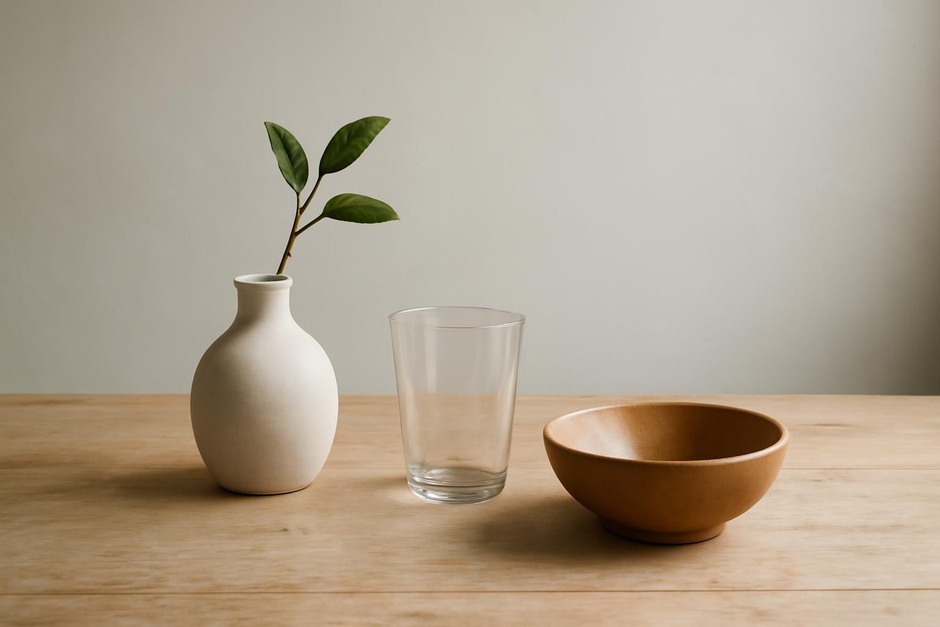
- Pick one object to be the subject. Remove or move everything else out of the frame if possible.
- Change your distance or focal length so the subject fills roughly one-third of the frame.
- Use a shallow depth of field (wide aperture) or a long focal length to blur background details.
- Take several frames, adjusting angle to find the most revealing face of the subject.
What to observe: Without competing elements the subject’s shape and texture become legible. Note how small changes in angle reveal or hide distinctive contours. This exercise trains you to mentally subtract.
Experiment 2 — Negative Space Swap
Goal: See how generous empty space alters the subject’s perceived weight and mood.
Steps
- Return to the same subject from Experiment 1.
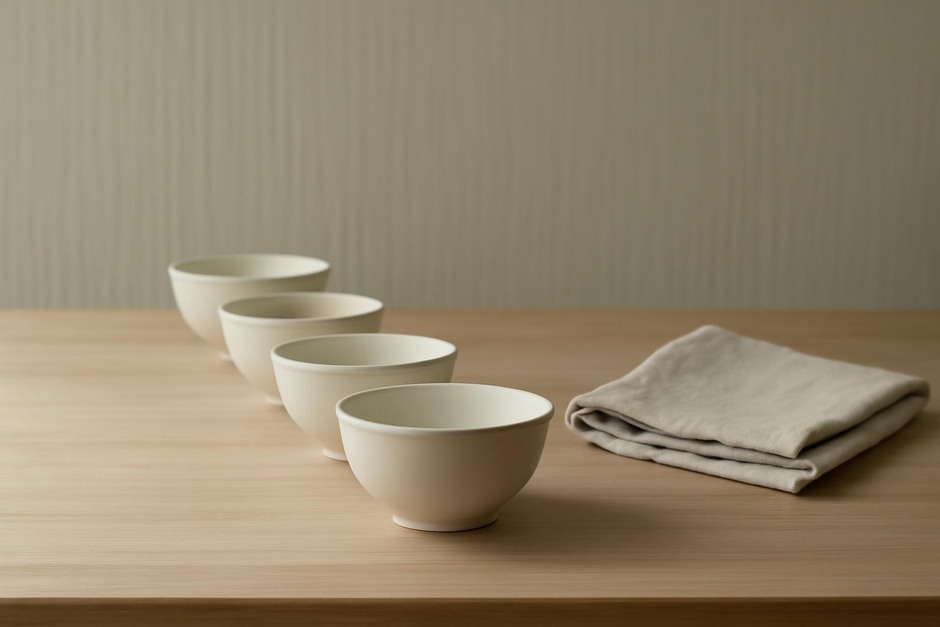
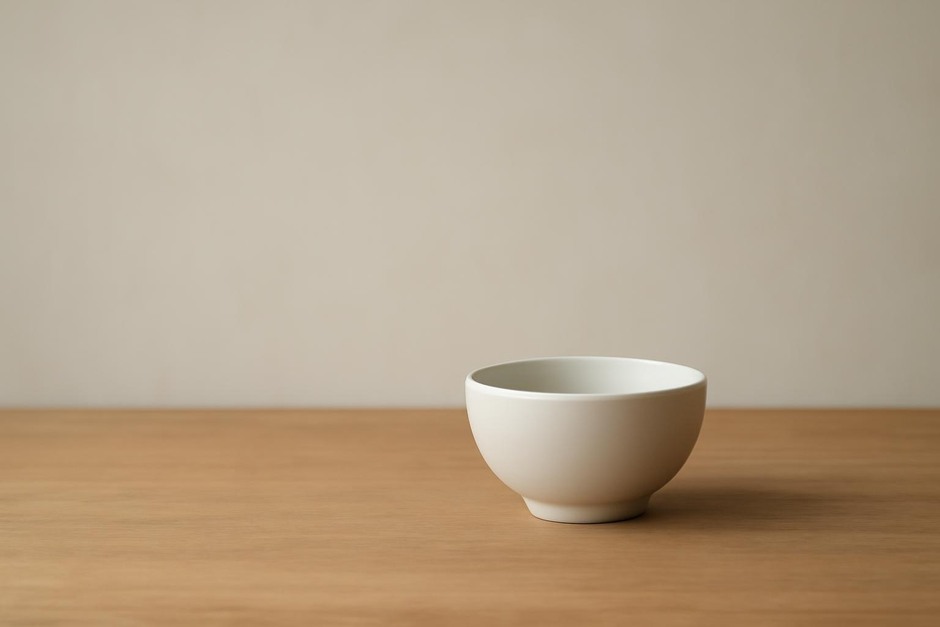
- Reframe so the subject occupies only a small portion of the frame—place it off-center.
- Leave large areas around it as simple tones or textures: a wall, a sky, or a tabletop.
- Try both horizontal and vertical crops; vary how close the subject is to the frame edge.
What to observe: Negative space gives the subject room to breathe and can imply narrative—isolation, calm, or tension. Note how the same object reads differently when surrounded by emptiness versus when it was tightly cropped.
Experiment 3 — Color Reduction
Goal: Use limited color to simplify visual information and direct attention.
Steps
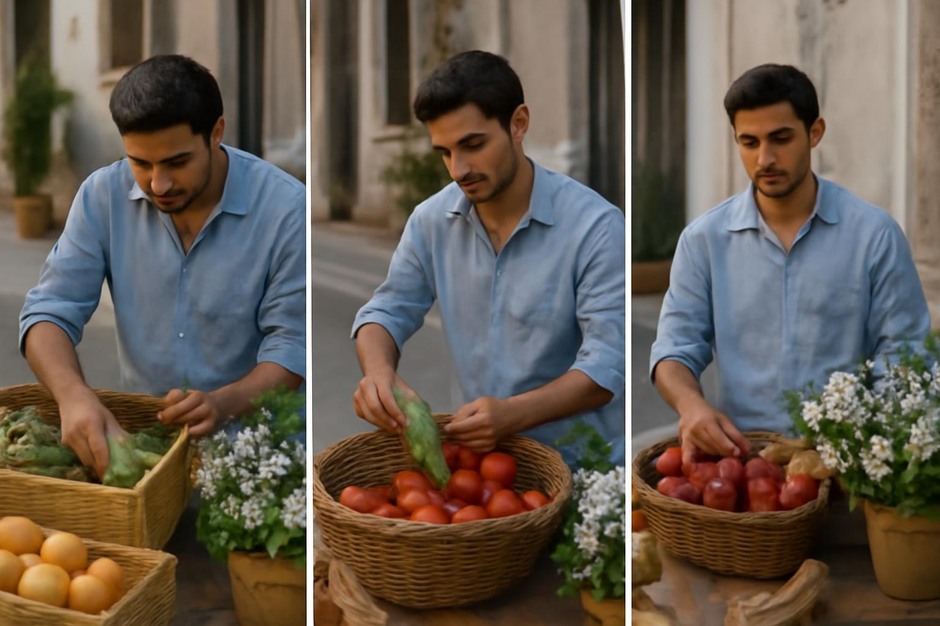
- Find a scene with multiple colors (fruit bowl, street storefront, a collection of fabrics).
- Choose one dominant color to keep as an accent. Either physically remove other colored items or mentally plan to reduce them.
- Shoot two sequences: one with the full-color scene and one with the background desaturated in-camera or in post (convert to monochrome but keep the accent color by selective masking if possible).
- Alternatively, change lighting to mute secondary colors (use a white sheet or reflectors to neutralize tones).
What to observe: Reducing color complexity often clarifies hierarchy. A single accent becomes a magnet. Note how value (lightness/darkness) interacts with color—sometimes a muted color with strong contrast reads clearer than a vivid low-contrast hue.
Experiment 4 — Layered Simplification
Goal: Learn to simplify a scene with multiple planes (foreground, middleground, background) without losing depth.
Steps
- Choose a scene with at least three depth layers: for example, a chair near the camera, a table in the middle, and shelves behind.
- Identify one layer as the focus and reduce detail in the others: move distracting items, lower contrast in the background, or increase blur with aperture or distance.
- Make two versions: one that flattens depth (more details visible) and one that emphasizes separation between layers.
- Compare the two for clarity and dimensionality.
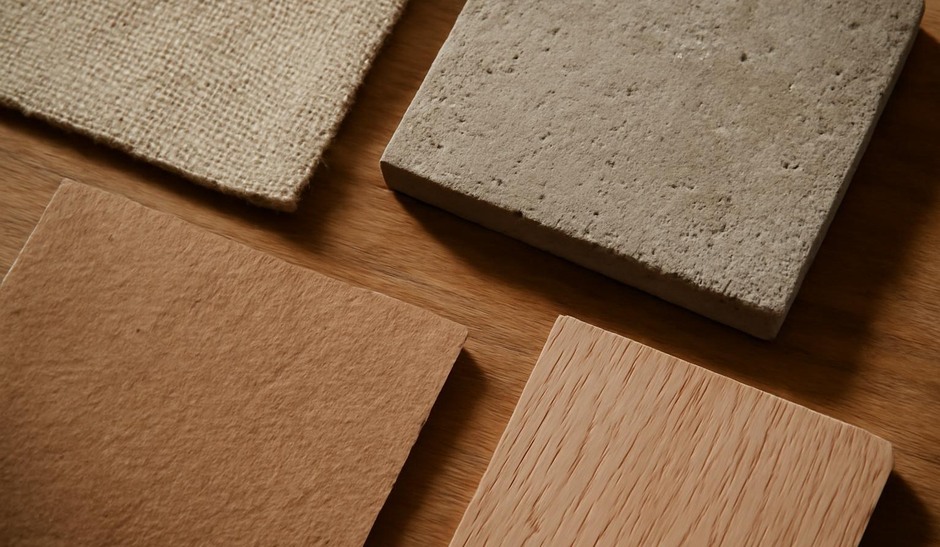
What to observe: Simplifying should not flatten an image into emptiness. The goal is to keep depth cues while minimizing competing information. Notice how gentle blur, tonal separation, and selective lighting preserve spatial relationships while reducing clutter.
Putting the Experiments Together
Practice these experiments in sequence on the same subject. Start by isolating, then introduce negative space, reduce color complexity, and finally manage depth. Over time you’ll build an intuitive toolkit: which elements to remove first, how much negative space feels right, and whether color or value will carry your hierarchy.
A quick practice routine:
- Pick one subject and spend 20–30 minutes cycling through the four experiments.
- Save your best frames and compare them side by side—look for clarity in composition and emotional difference.
- Repeat weekly with different subjects and environments.
These small, repeatable constraints train a useful habit: to look for what to remove before deciding what to include. That habit is the essence of visual economy—quiet, deliberate, and repeatedly practiced.