Materials and Texture: Translating Tactile Surfaces into Photographs
Textures as visual information
Materials carry memory and narrative. Wood, metal, fabric, glass—each surface responds to light and perspective in ways that communicate age, process, and use. Translating tactile qualities into a photograph requires attentive choices about light, lens, and proximity. The goal is not to replicate touch but to represent texture so the viewer can imagine it.
Light that reveals material
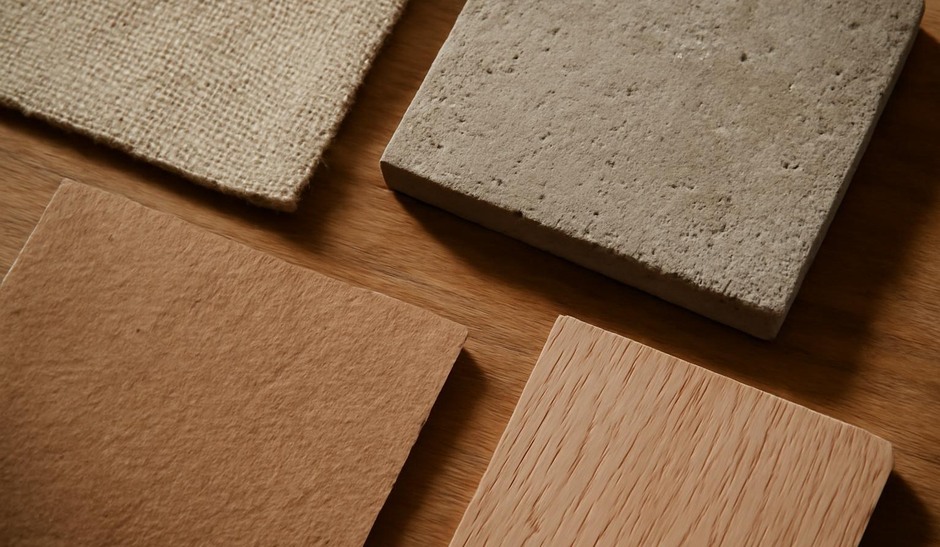
Texture is revealed by contrasts: the fine ridges on paper, the soft nap of cloth, the sheen on polished metal. Side lighting is often the most effective way to emphasize surface variations because it creates small, descriptive shadows. Hard light will exaggerate texture and may highlight defects; soft light will render form more gently and can convey smoothness. Pay attention to specular highlights on shiny materials and how they can become compositional accents or distracting glare.
Lens and distance choices
Lens selection affects perceived texture. A short telephoto compresses layers and can emphasize surface detail without distortion. A wide-angle close-up can exaggerate foreground texture, sometimes in an intentionally disorienting way. Macro optics reveal scale and micro-structure, making ordinary materials feel unfamiliar and intimate. Consider depth of field: a shallow plane isolates a textured area, while greater depth situates texture within a broader context.
Composing for tactile clarity
Compositional decisions help textures read cleanly. Simplify backgrounds and limit competing patterns so the material of interest remains legible. Use repeating motifs to suggest rhythm—tiles, woven threads, grain patterns—and let them anchor the composition. Color and tone also affect texture perception: a muted palette will emphasize form while high contrast can dramatize roughness.
Practical observational habits
- Collect and study samples: observe a small set of materials in consistent light and photograph them with varying directions of illumination.
- Make comparative series: photograph the same surface with hard, soft, and backlight to see which quality best communicates the material.
- Sketch or annotate photos: note tactile impressions and match them with visual cues in the photograph.
From documentation to quiet narrative
Photographs of materials move between documentation and quiet storytelling. An image of an old sweater, with pilling and fading, can imply use and memory. A close crop of a rusted hinge can suggest time and weather. The photographer’s role is to notice relationships between texture, light, and context, and to make choices that honor the material’s implicit story. Over time, this practice refines an eye for subtle surface differences and the technical habits needed to render them faithfully.