Reading Light: Softness, Direction, and Scale
Seeing the character of light
Light is the material through which visual stories are told. Its character—soft or hard, gentle or decisive—affects texture, mood, and perception. Observers who learn to read these qualities gain greater control over how an image will feel. The first step is simple: slow down and look at the way light interacts with surfaces before adjusting gear or composition.
Hard and soft sources
Hard light, coming from a small or distant source, produces crisp shadows and high contrast. It emphasizes texture and edge. Soft light, coming from a large or diffused source, yields gentle gradients and low contrast. It reveals form subtly and tends to flatten harsh detail. Both are useful. Hard light can dramatize form; soft light can create intimacy and quiet concentration. Identifying the source size relative to the subject helps predict the transition between highlight and shadow.
Direction matters
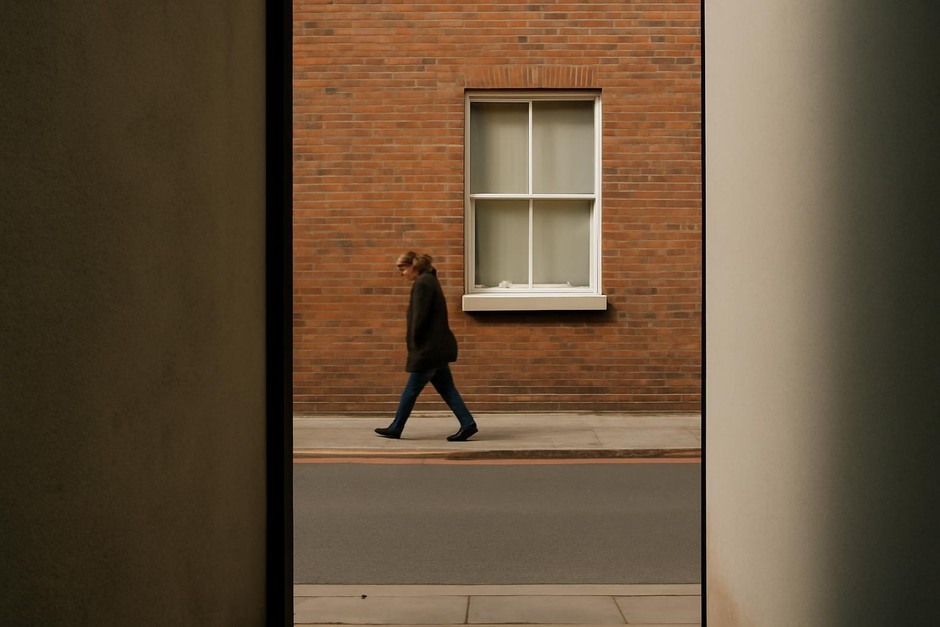
Light direction shapes perception of depth. Front light reduces perceived volume and flattens surfaces; side light sculpts form and reveals texture; backlight isolates outlines and creates translucency. Subtle shifts in angle change where shadows fall and how the eye navigates an image. For everyday scenes, noting the direction of light relative to common objects—cups, fabrics, streets—makes it easier to choose a viewpoint that reinforces the desired emphasis.
Scale and context
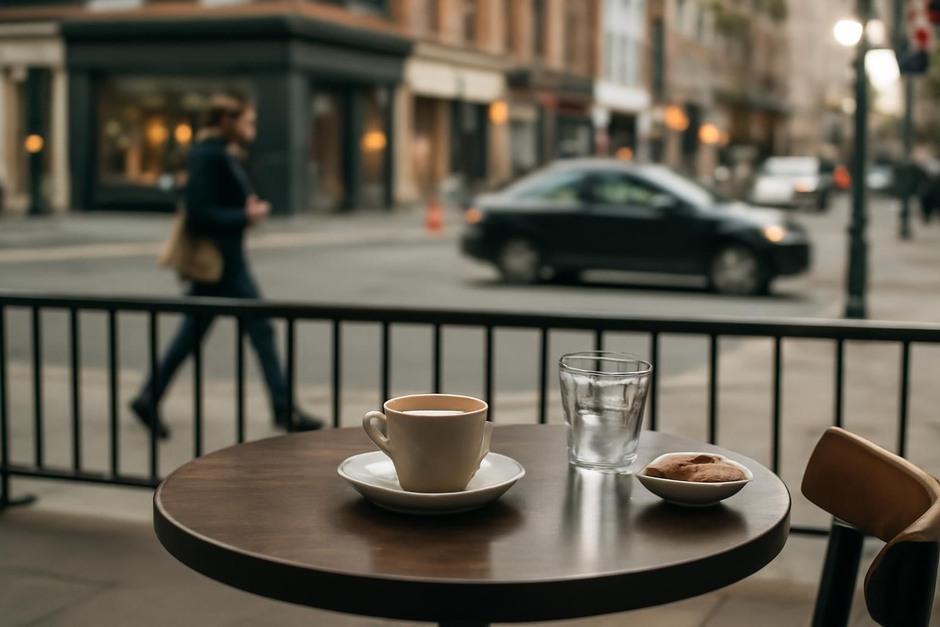
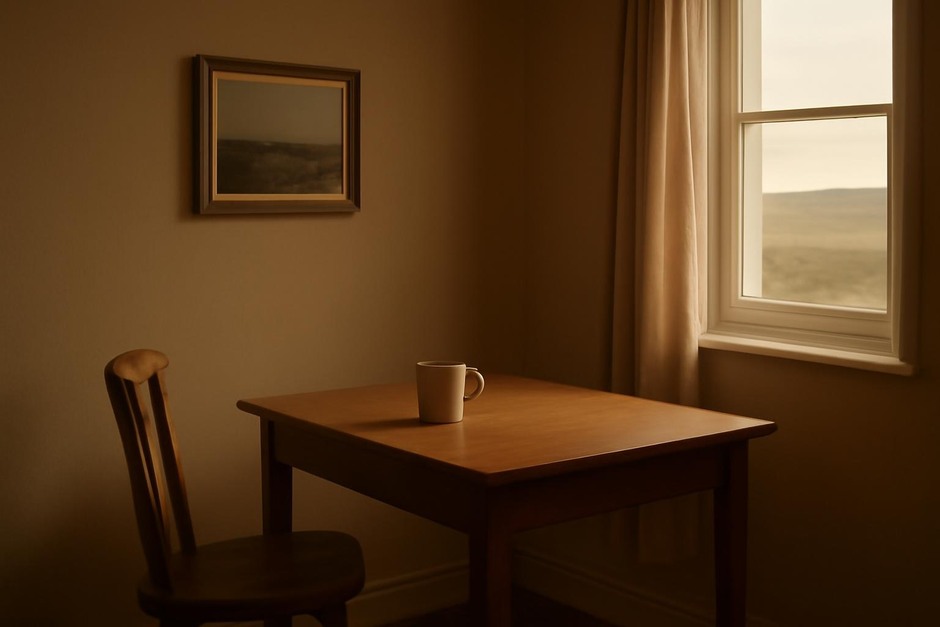
Consider scale at two levels: the physical size of the light source and the scene’s scale. A large cloudy sky is a vast soft source; a small window is a soft source only at close range. Streetlights at night act like small, hard sources when measured against broad cityscapes. Matching the scale of the source to the scale of the subject produces coherent results. Small textured objects often benefit from a nearby soft source, which reveals detail without harsh shadows. Architectural facades may require a harder light or deeper side lighting to articulate planes.
Color temperature and psychological tone
Light carries color as well as form. The warm cast of morning and evening sun conveys intimacy; cool open shade can feel neutral or detached. While technical adjustments can correct temperature, recognizing and choosing color temperature as a narrative element is a compositional act. A consistent approach to the scene’s tonal balance helps maintain coherence across multiple images in a sequence.
Practical observation practices
Practice simple visual tests. Spend ten minutes in one location at different times of day and note how highlights and shadows evolve. Photograph the same small object under a window across the hour and compare the textures. Make sketches of shadow shapes and how they sit against backdrops. Over time, these careful observations train the eye to anticipate how light will behave and to use it deliberately in framing and sequencing.
Reading light is not about mastering complex gear; it is about learning a visual vocabulary. The more an observer understands the subtle interplay of softness, direction, and scale, the more thoughtfully each photograph can be made to say what it quietly intends.