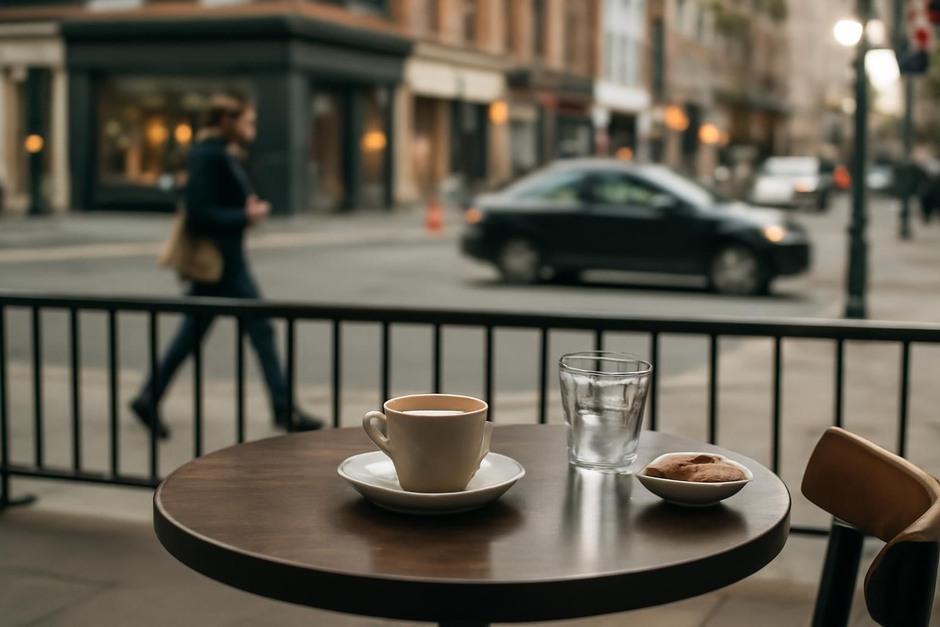
Foreground, Middleground, Background: Layers in Urban Still Life
Layering as a deliberate structure
Layering organizes images in space and time. Foreground, middleground, and background each offer distinct kinds of information and together create depth. In urban still life, where found objects and incidental figures coexist, layering becomes a practical method to control narrative emphasis. Thoughtful placement of elements across these planes can make a scene feel considered rather than merely observed.
Foreground: invitation and texture
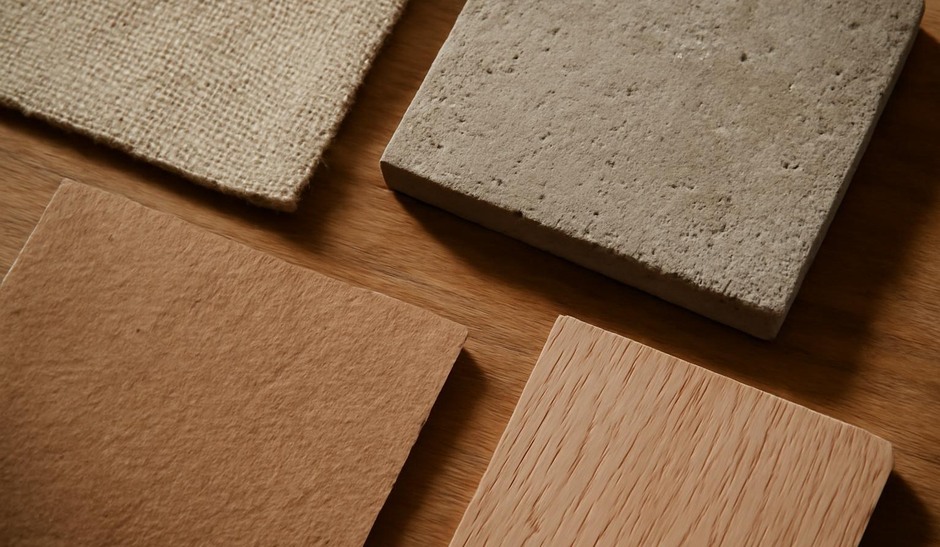
The foreground functions as an invitation. It can provide texture, introduce a motif, or offer a partial reveal that encourages the viewer to enter the frame. Close-up elements—an out-of-focus leaf, a tabletop corner, or a hand on a handle—establish spatial proximity. Foreground elements also help to modulate depth of field, leading the eye from near to far when used with a judicious aperture choice.
Middleground: subject and focus
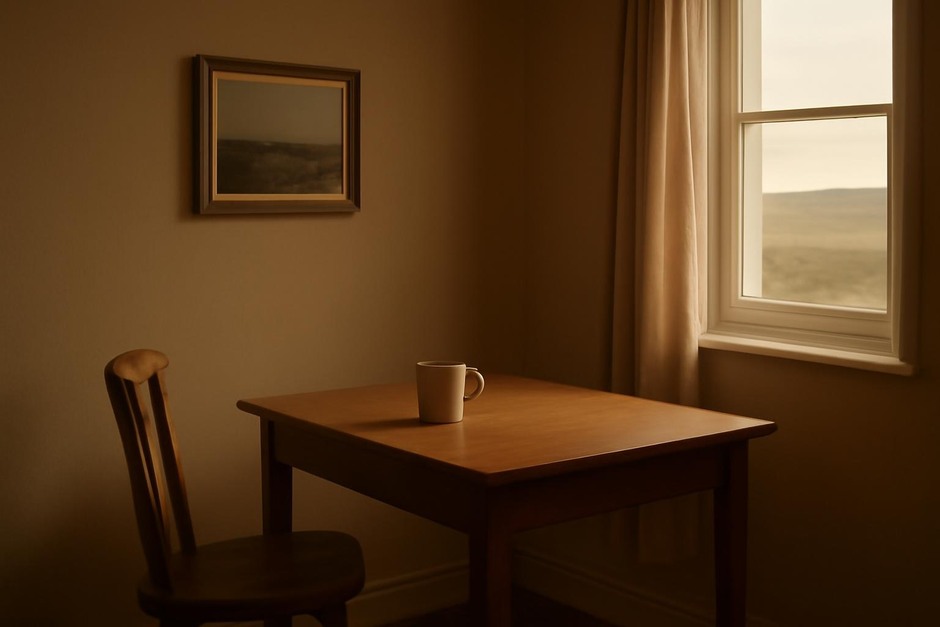
The middleground often houses the principal subject in urban still life: a cup of coffee, a folded newspaper, a window sill with objects arranged by chance. It is where narrative tension usually resides. Decisions about placement here determine clarity: whether the subject stands framed by negative space, contrasted against a textured surface, or nested within other shapes. The middleground is also where light and material relationships can be most revealing.
Background: context and atmosphere
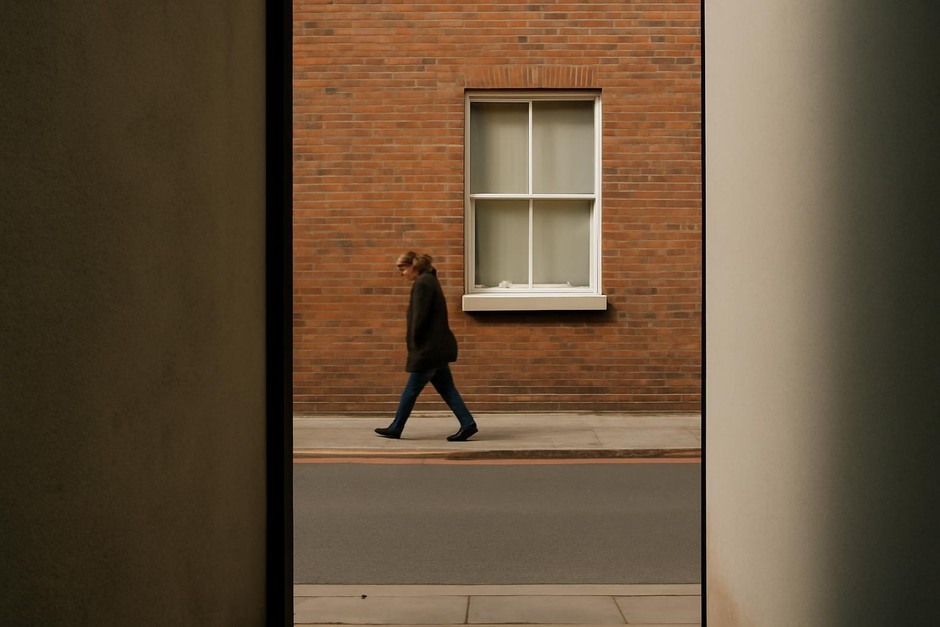
Background provides context without dominating. A patterned facade, a moving crowd, or a softly lit interior can all offer cues about place and time. The quality of background light affects separation: a backlit figure recedes differently than one in flat shade. Background complexity should be managed so it supports rather than competes with the subject—softening it with depth of field or composing around its strongest elements.
Compositional strategies for layering
- Identify anchors: choose strong shapes for each plane that do not visually fight for dominance.
- Control depth of field: a modest aperture can render layers with gradual falloff; a very wide aperture isolates and simplifies.
- Use diagonal connections: lines that run between planes unify the picture and guide the eye.
- Consider color and tone: similar tones across planes can flatten the image, while contrasts emphasize separation.
Everyday examples and attentive habits
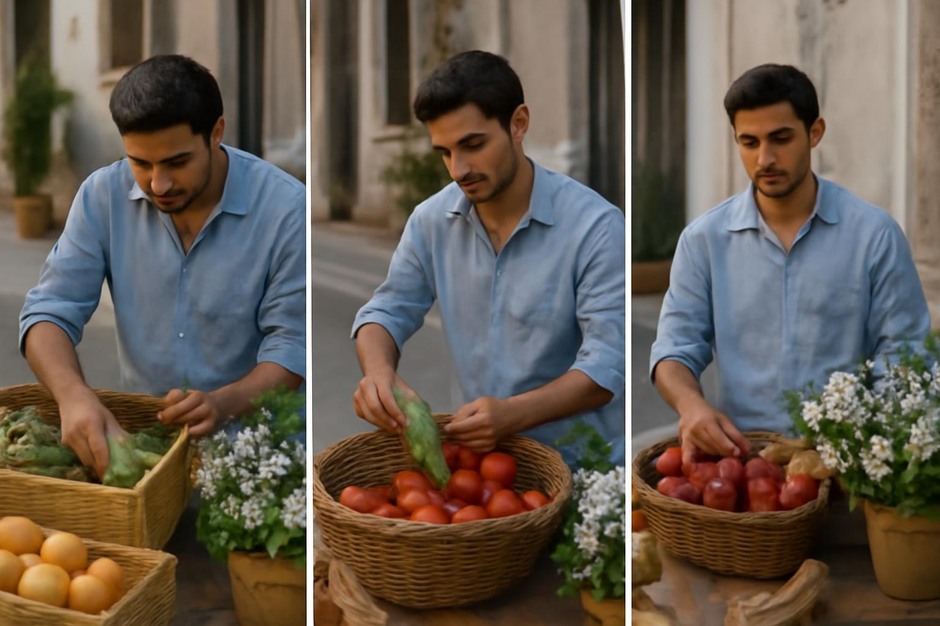
Urban still life thrives on observation. A café table at dawn, a windowsill with accumulated objects, or a small market stall offers repeatable situations to practice layering. Pause to note how the foreground shapes relate to the middleground subject and how the background’s rhythm supports or distracts. Try making three images from the same spot: one that emphasizes the foreground, one that centers the middleground, and one that reorganizes the frame to include more background. Comparing these will clarify how layering modulates meaning.
Layering is not a formula but a set of tools that help organize visual thought. When foreground, middleground, and background are considered deliberately, ordinary urban fragments begin to yield quiet narratives enriched by depth, texture, and context.