The Quiet Geometry of Everyday Frames
The frame as an active decision
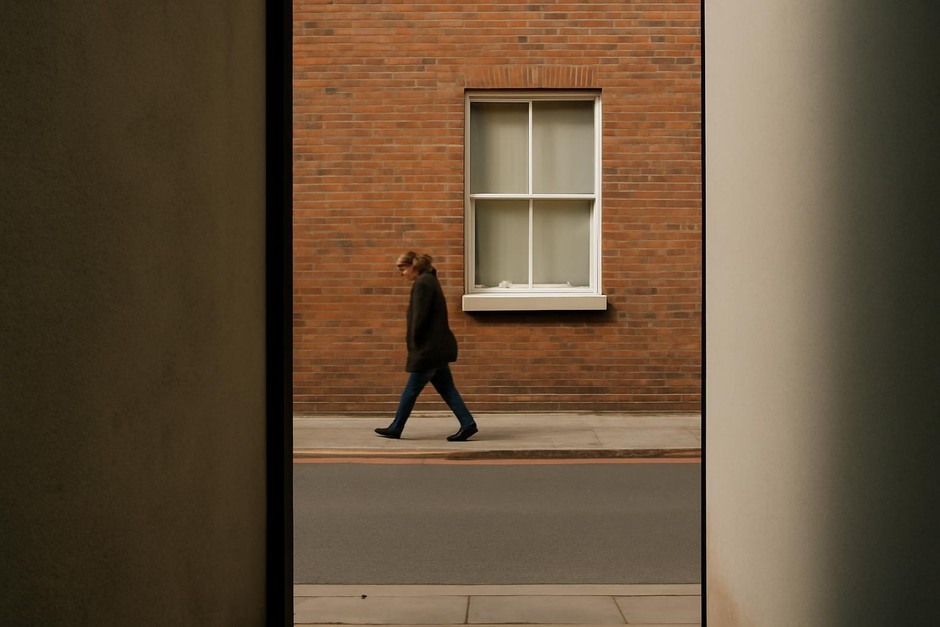
A photograph’s boundaries are not passive constraints; they are the first material in the act of composition. A decision to include or exclude becomes the beginning of meaning. When observing the everyday, simple adjustments to the frame—tightening a crop, tilting the camera, or shifting aspect ratio—can transform an incidental moment into a composed visual statement. The geometry of the frame guides attention, balances shapes, and organizes the relationship between figure and ground.
Aspect ratio and temperament
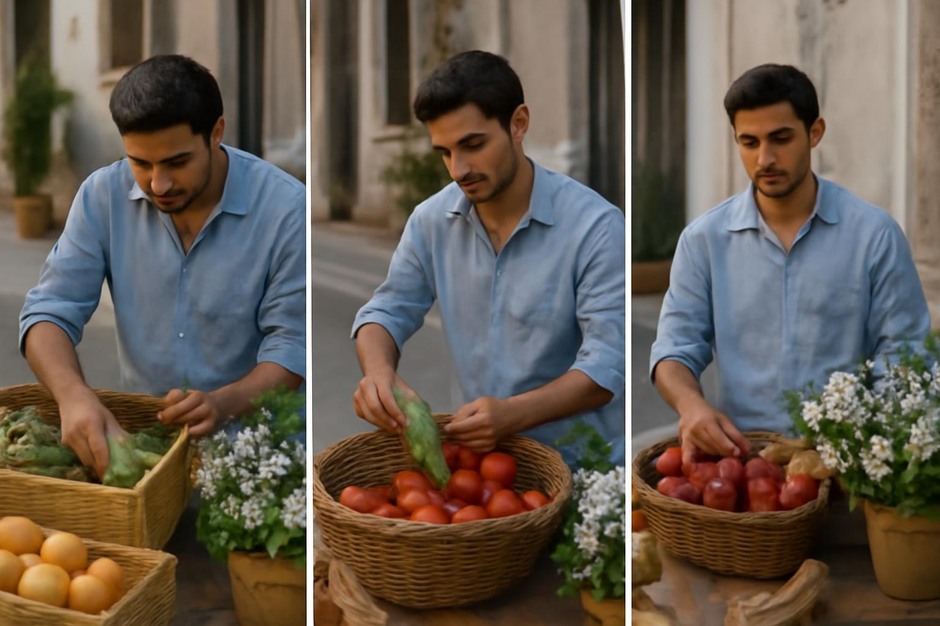
Aspect ratio is a structural choice that subtly suggests how an image should be read. A square crop feels compact and static; it emphasizes central relationships and often invites symmetry. A wide, cinematic ratio encourages lateral movement and can accommodate sequential detail. Portrait ratios imply verticality, elevating human posture or architectural lines. Recognizing these temperaments helps observers make calm, deliberate choices rather than defaulting to a single shape.
Edges, negative space, and silence
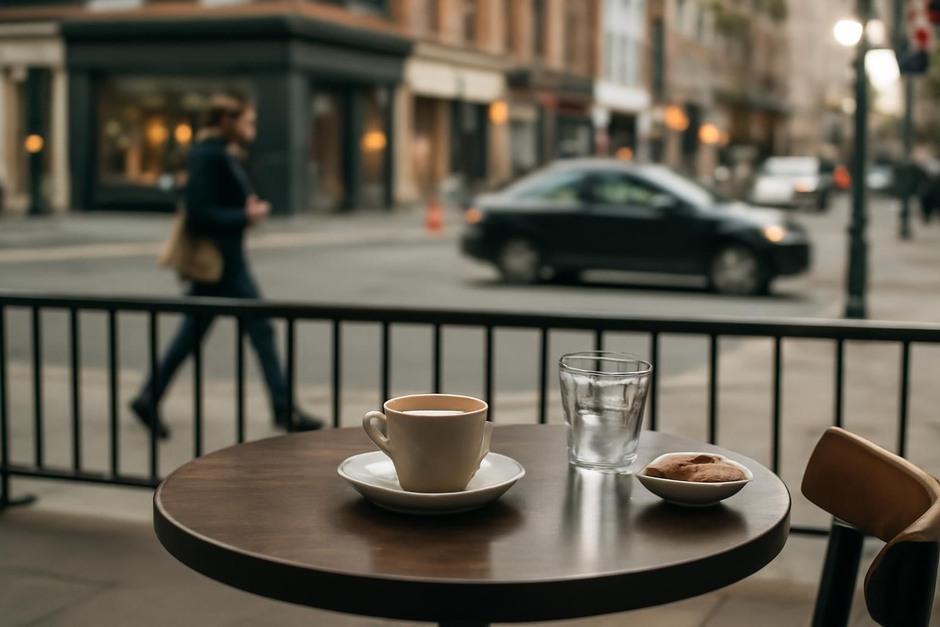
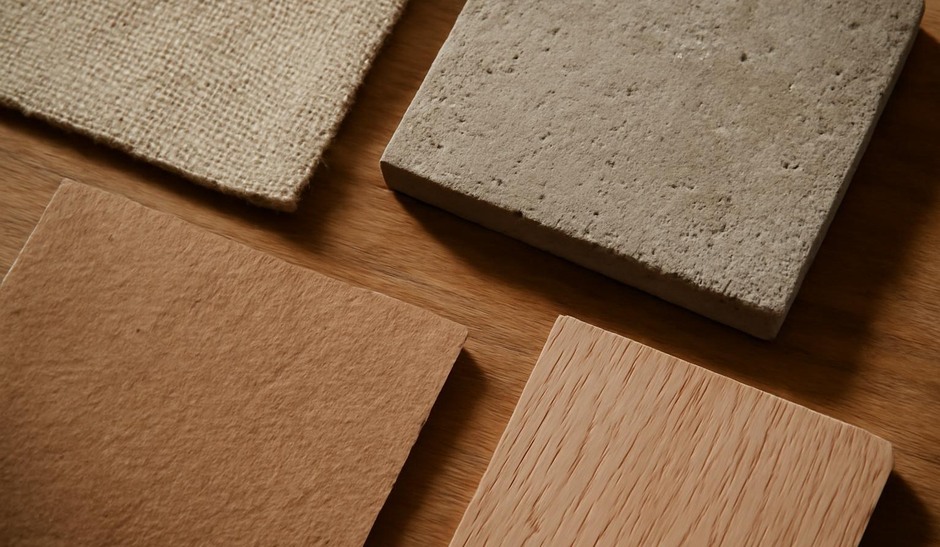
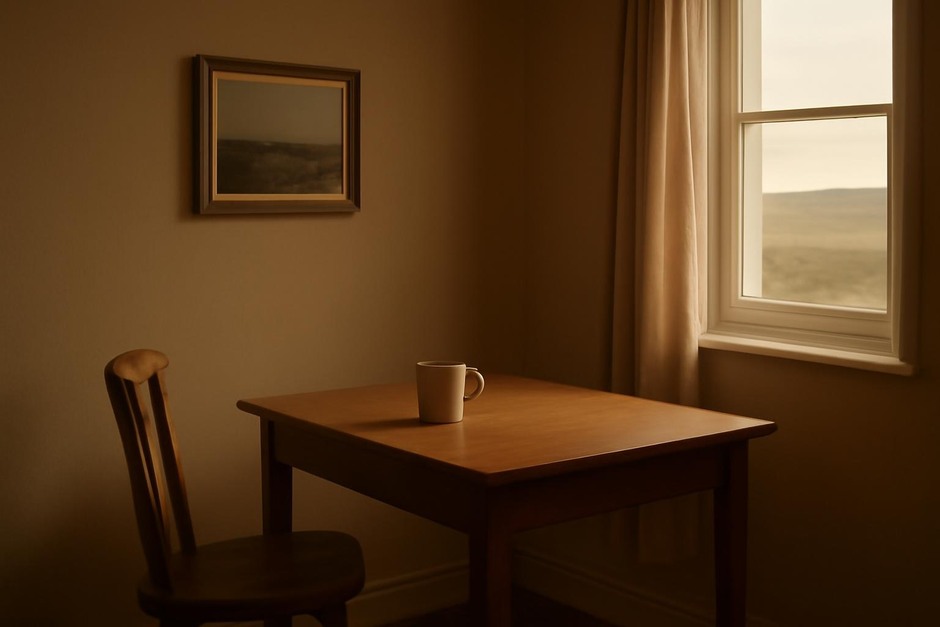
Negative space is not merely emptiness; it is contextual information. Generous margins can give a subject room to breathe and introduce a sense of quiet. Tight cropping can intensify texture and gesture, or create a sense of compression. Both are valid, depending on intention. Watch how light and texture behave near the edges: a shadow that falls off the frame, a highlight that breaches the boundary, or a repeated pattern that continues beyond the photograph can all reshape perceived continuity and invite the viewer to imagine what lies outside.
Lines, anchors, and implied continuation
Edges can function as anchors. A vertical edge can steady a composition; a diagonal that meets the boundary can suggest movement beyond it. Strong lines that align with frame edges often read as composed and deliberate. Conversely, when a line is intentionally cropped mid-run, it can create tension and suggest an ongoing narrative. Observe thresholds—doorways, table edges, curbs—and decide whether to include their continuation or to let them break at the picture plane. Both choices communicate different rhythms.
Tools and small experiments
A few practical habits help refine instinct for framing. Try shooting the same subject in multiple aspect ratios without changing position. Make a habit of leaving a small margin of space around your subject and then gradually tighten the crop while watching how the story shifts. Use a viewfinder, if available, to isolate elements before committing to exposure. Sketching a quick rectangle in a sketchbook and drawing the dominant shapes can clarify what the frame should hold.
Quiet decisions, clearer stories
Everyday photography rewards modest restraint. Rather than hunting for an exceptional subject, treat the frame as an editorial tool: a way to choose emphasis, to mute distractions, and to invite the viewer into a precise angle of attention. Over time, attentive practice of these quiet geometric decisions develops a consistent visual language—one that respects ordinary things and reveals their compositional possibilities.