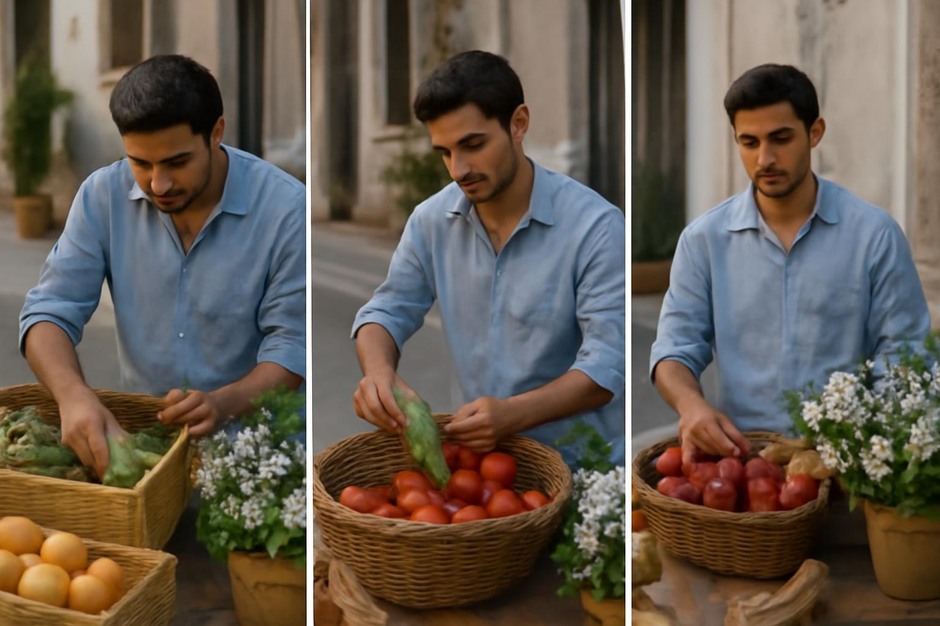
The Sequence: Building Everyday Visual Stories Frame by Frame
From single frame to series
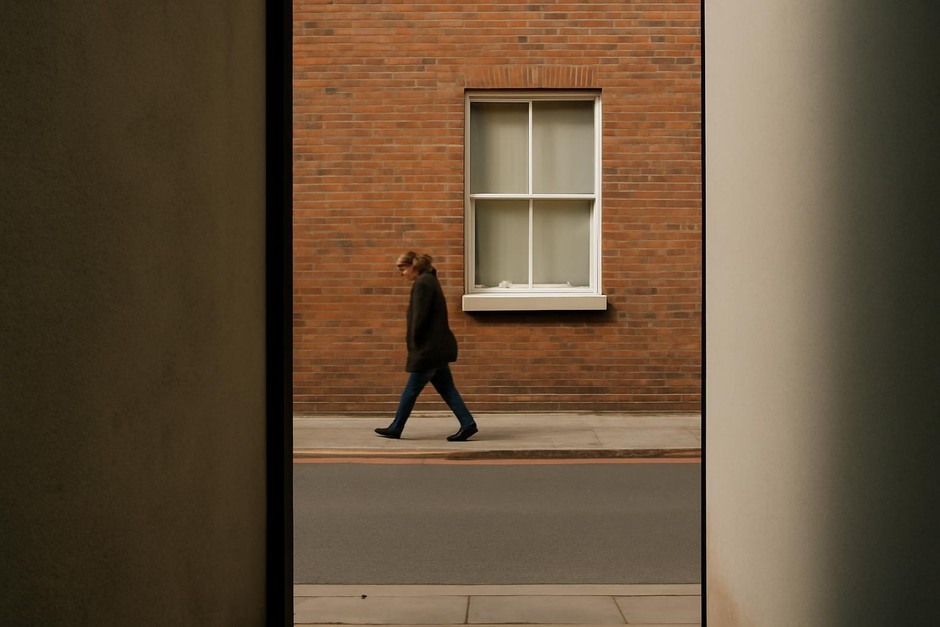
A single photograph can be complete, but sequences offer a way to develop nuance and reveal change. Everyday life is full of small arcs—preparation, movement, arrival—that unfold in short durations. Building sequences involves attention to rhythm, variation, and how images relate to one another in tone and content. Thoughtful sequencing turns observation into quiet storytelling.
Found rhythms and pacing
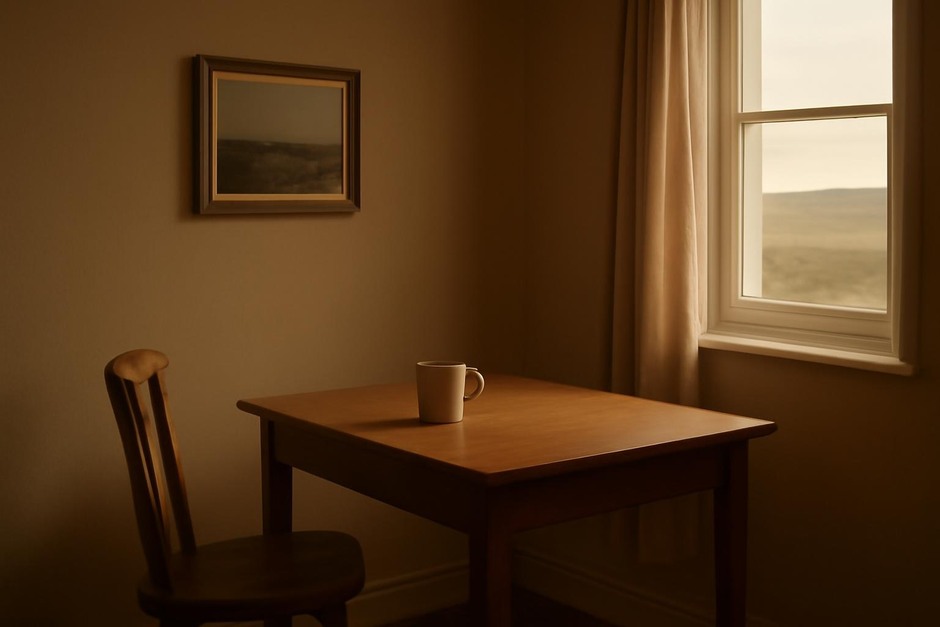
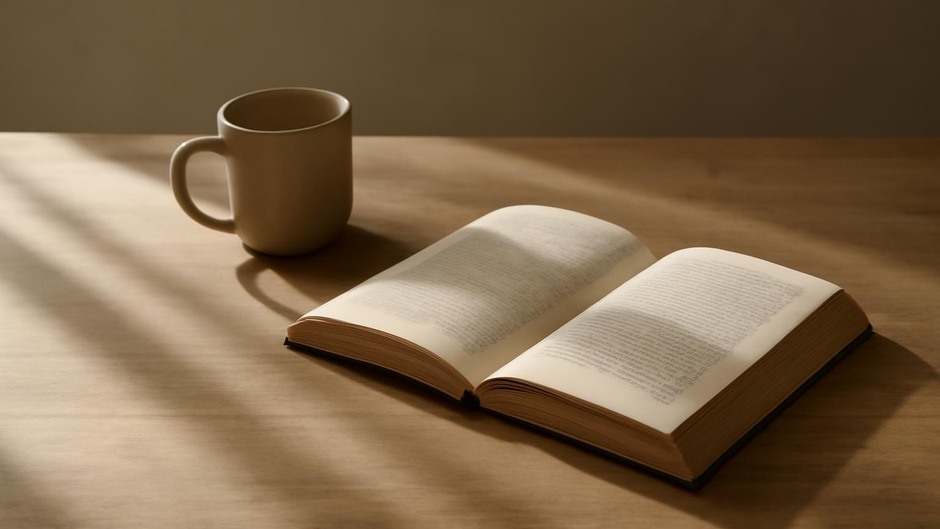
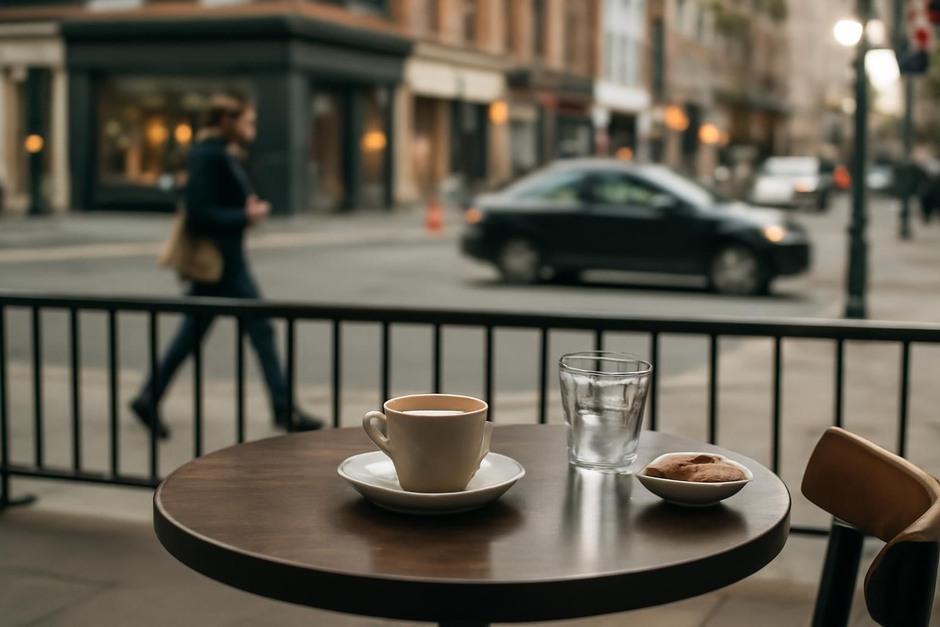
Pacing determines how a sequence reads. A rapid rhythm of similar frames conveys repetition or routine. Slower pacing, with contrasting images separated by quieter frames, suggests reflection or transformation. Consider alternating wide and close views to vary pace: a wide establishing frame followed by a detail anchors context and then invites closer attention. The order of images affects interpretation; small rearrangements can shift emphasis and emotional arc.
Visual coherence and variation
A successful sequence balances coherence with variation. Coherence can come from consistent light, recurring motifs, or a stable viewpoint. Variation introduces development—different angles, changing focus, or progressive actions. Repetition of a single motif across frames creates a thread that the eye follows, while careful changes reveal nuance. Sequences need not be long; concise groups of three to six images often suffice for clear, focused narratives.
Tools for assembling sequences
Simple methods help clarify sequencing choices. Lay out images physically or in a grid to compare flow. Group by visual qualities: colour, texture, scale, and light. Write brief notes about the intended arc—what begins, what changes, and what remains. These small practices make it easier to see which frames function as transitions and which are anchors.
Everyday motifs and narrative intent
Ordinary scenes provide reliable, repeatable motifs: a kettle steaming, hands arranging objects, a bus door opening, folding laundry. Choosing a focal motif and observing its small shifts over minutes or days can yield sequences that feel intimate and honest. Emphasize process rather than newsworthiness; sequences rooted in everyday gestures cultivate a particular kind of attention that refuses spectacle in favor of observation.
Editing with restraint
Editing is compositional. Remove redundancy and keep images that add distinct information or emotional weight. Resist the urge to overexplain: allow gaps between frames for the viewer to imagine continuity. A restrained sequence invites thought rather than dictating a single reading.
Sequences are a practice in listening with the eye. They encourage repeated observation, patient selection, and a sensitivity to rhythm. Built with modest goals and careful editing, short series transform small daily fragments into quiet stories that reward lingering attention.